Beyond the Dirt: Exploring the Latest Excavation Techniques and Technologies Mar 21, 2026
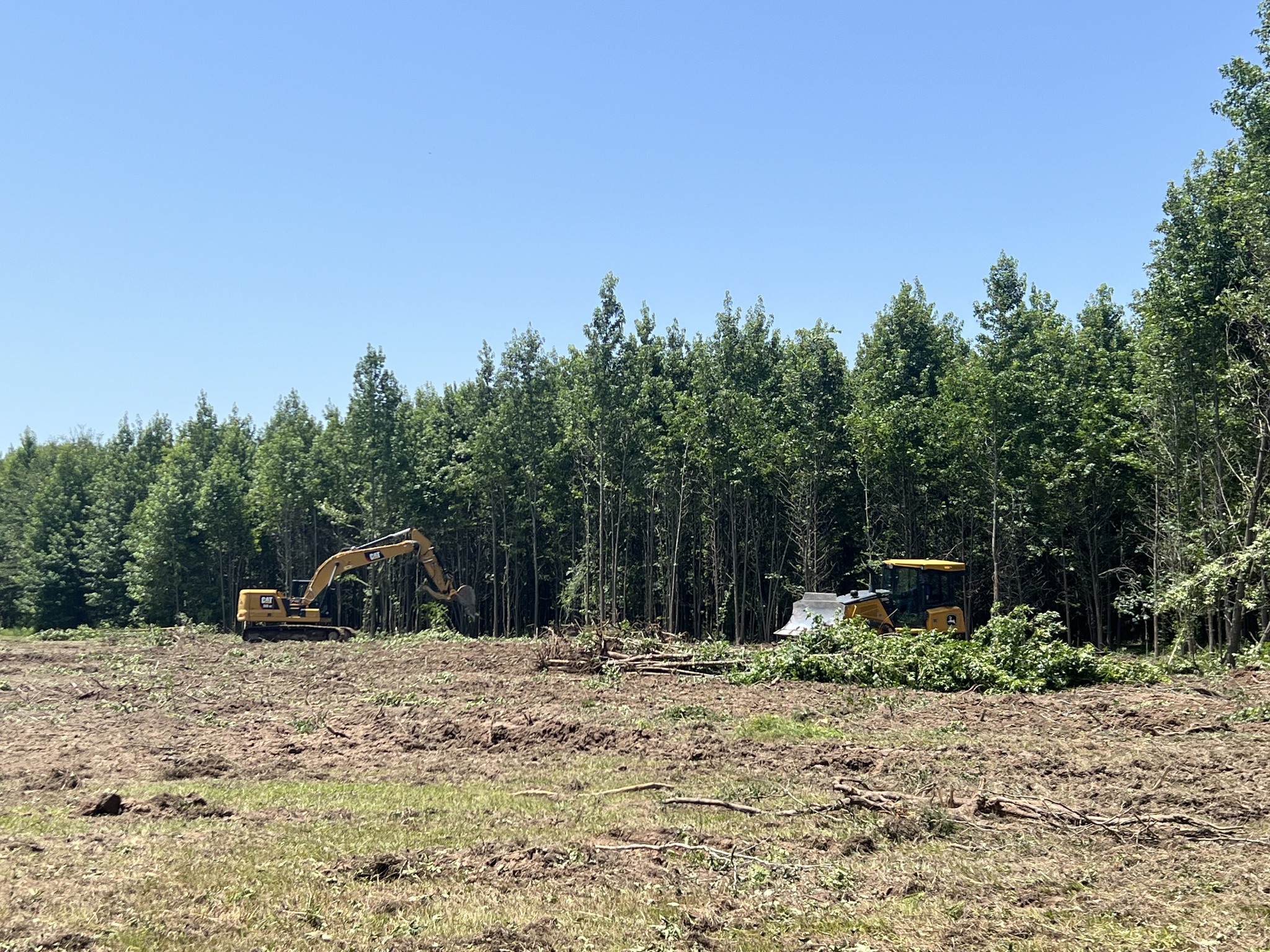
Excavation is an integral part of most construction projects, providing the foundational groundwork necessary for stability and longevity. Traditionally, excavation might have been perceived as simple digging, but today's technologies offer much more finesse and accuracy. Techniques have evolved from simple manual labor to highly mechanized excavation with precision capabilities. Advanced equipment now allows for heightened accuracy, minimizing errors and ensuring that projects meet rigorous standards from the outset.
One of the most notable advancements in excavation technology is the adoption of GPS and machine control systems. These systems enhance precision by allowing operators to follow digital project plans with pinpoint accuracy. Such technology reduces the margin for human error, enhances safety, and dramatically cuts down on the time required to complete large projects. For instance, GPS-guided equipment can automatically adjust to the terrain's nuances, ensuring consistency in excavation depth and width without constant manual measurements.
Moreover, implementing Building Information Modeling (BIM) in excavation presents a revolutionary leap in how construction projects are planned and executed. BIM facilitates greater planning accuracy by allowing architects, engineers, and excavators to collaborate using a 3D model of the project. This collaboration ensures that any potential issues are resolved in the planning phase, saving time and resources during execution. Companies like Willing Trucking & Excavating can leverage BIM to enhance their service offering, providing their clients with a virtual view of the project’s lifecycle.
The demand for green construction practices has also influenced excavation methods. Eco-friendly excavation focuses on minimizing waste and reducing environmental impact. Techniques such as precision blasting or the use of hydraulic excavation tools decrease fuel consumption and lower emissions. Furthermore, these methods often involve reusing excavated materials on-site, promoting sustainability and reducing the cost of transporting materials.
Safety remains a primary concern in excavation projects, and technology plays a crucial role in mitigating risks. The use of trench safety equipment and remote monitoring systems ensures that excavation sites adhere to safety standards, protecting workers and reducing liability. Innovations such as drones and robotic survey equipment further enhance safety by allowing remote assessment of potentially hazardous areas.
Ultimately, the adoption of these advanced techniques and technologies transforms the excavation industry, driving it towards greater productivity while maintaining a commitment to safety and environmental responsibility. For clients of Willing Trucking & Excavating, these advancements mean quicker project timelines, reduced costs, and an overall more efficient service.
In conclusion, as excavation technology continues to advance, it is critical for service providers and clients alike to remain informed and adaptable. Embracing these innovations can provide a competitive edge, ensuring that projects are completed efficiently, safely, and sustainably. Whether it’s through the precision of GPS systems, the collaboration enabled by BIM, or the sustainability of eco-friendly practices, the industry is moving beyond the dirt to forge a future of groundbreaking possibilities.
/filters:no_upscale()/filters:format(webp)/media/6fd941e8-fae4-4272-b646-42dae31c3525.jpeg)