Essential Factors for Successful Excavation in Unstable Soils Feb 20, 2026
The first and most fundamental step in any excavation project is understanding soil composition. Soils can vary significantly within short distances, impacting stability and excavation methods. Conducting comprehensive soil assessments before beginning any excavation ensures that you know what you're dealing with. This can involve geotechnical surveys, which will reveal soil types, moisture content, and other critical information. Knowing whether you’re dealing with clay, silt, sand, or gravel will dictate the machinery and techniques required.
When dealing with unstable soils, effective drainage is crucial. Waterlogged soils are particularly unstable and can lead to slumping or landslides during excavation. Establishing a proper drainage system not only stabilizes the soil but also prevents water from accumulating in the excavation site. Drains, pumps, and other water mitigation tools might need to be employed extensively before and during the excavation process.
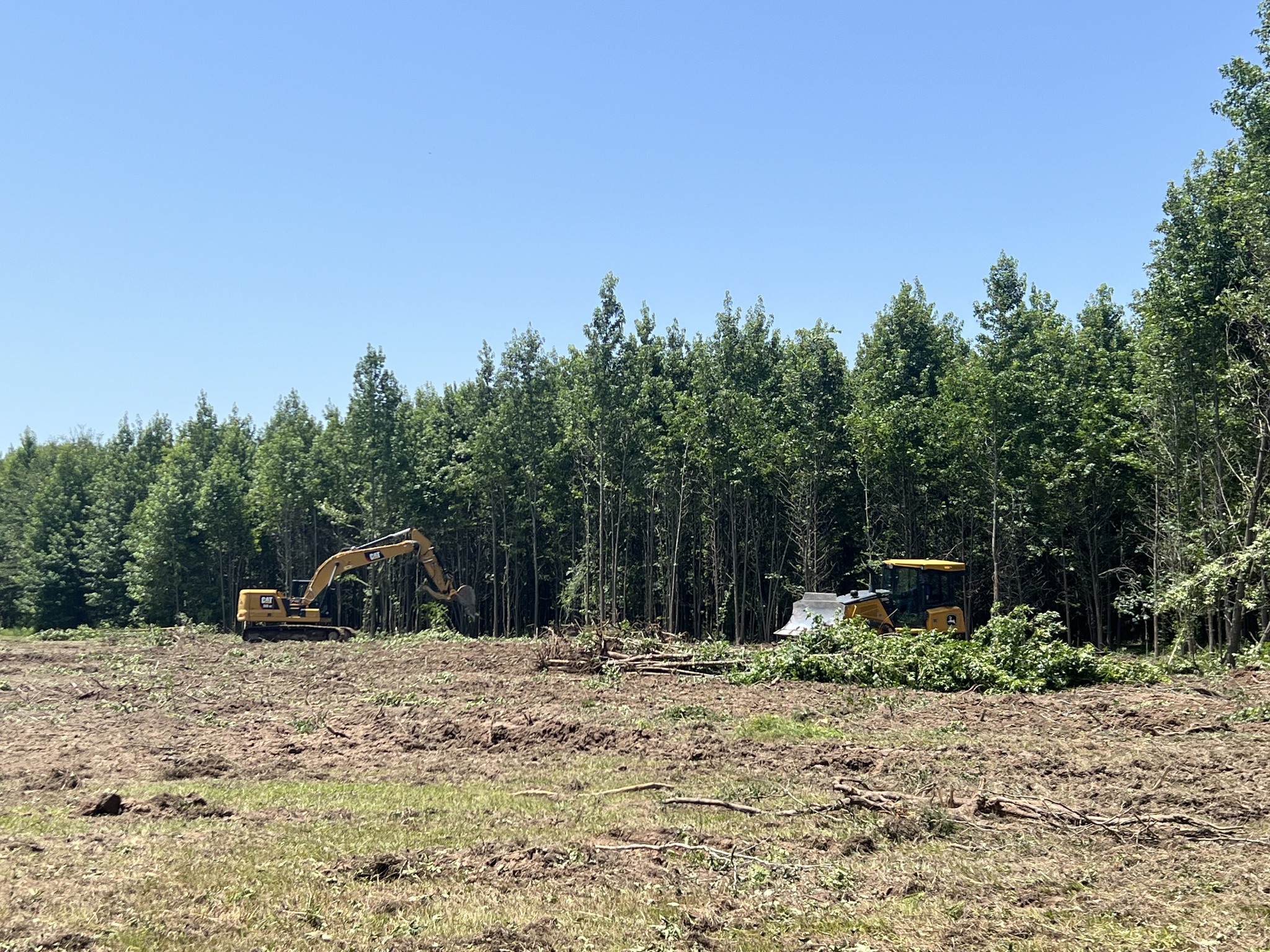
Choosing the right equipment is another critical factor for success in unstable soils. Willing Trucking & Excavating understands that using machinery suited to the specific soil conditions can significantly influence the safety and efficiency of the excavation. For instance, certain tracked excavators may be more effective in soft soils, providing superior traction. Meanwhile, specialized bucket designs can minimize soil disturbance and improve precision in excavation efforts.
Yet another paramount consideration is the implementation of supportive structures. In many cases, excavations in unstable soils require shoring to prevent cave-ins. Techniques such as sheet piling, bracing, or the use of retaining walls provide the necessary support to ensure the safety of both the workers and the surrounding environment. This aspect cannot be overstated, as inadequate structural support can lead to catastrophic failures.
Close monitoring and adaptive strategies are important throughout the excavation process. Conditions can change rapidly in unstable soils, demanding constant vigilance and flexibility. Regularly scheduled inspections and real-time monitoring during the excavation help identify any shifts or destabilization in the earth. Being prepared to adjust techniques or equipment based on evolving conditions is crucial for maintaining project momentum and safety.
Finally, having a contingency plan is vital when working in unstable soils. This plan should address potential delays, additional resource requirements, and safety protocols in the event of unforeseen instability or adverse weather conditions. Willing Trucking & Excavating believes that preparing for the unexpected ensures projects remain on schedule and within budget, all while safeguarding workers and infrastructure.
In conclusion, effective excavation in unstable soils is not just about moving earth—it's about strategic planning, understanding environmental variables, and employing the right techniques and tools. By emphasizing thorough preparation, precise execution, and vigilant supervision, Willing Trucking & Excavating helps ensure that every project in challenging soil conditions is a standout success. As the complexities of excavation continue to evolve, maintaining a focus on these essential factors solidifies a foundation for continued excellence in the industry.
/filters:no_upscale()/filters:format(webp)/media/6fd941e8-fae4-4272-b646-42dae31c3525.jpeg)