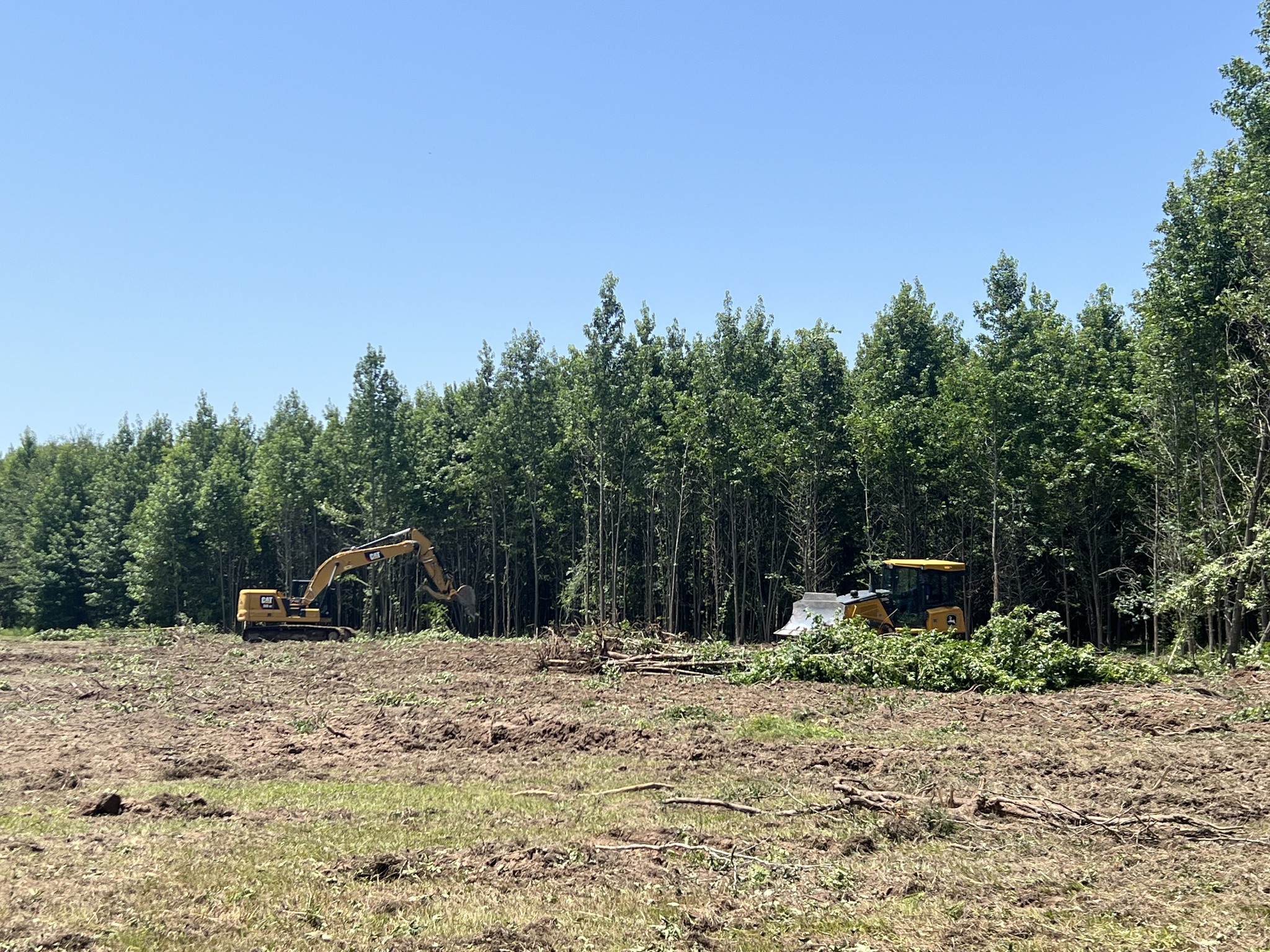
Safeguarding Success: Strategies for Risk Management in Complex Excavation Projects May 17, 2026
To begin with, risk management in excavation involves a systematic approach to identifying, assessing, and mitigating risks before they manifest into serious issues. Successful excavation projects rely on meticulous planning, and understanding potential hazards is the first step. Before any digging begins, teams should conduct thorough site assessments. This often involves geological surveys, environmental impact analyses, and appraisals of existing infrastructure. By identifying underground utilities such as water pipes, gas lines, and electrical cables, companies can proactively address risks that could lead to significant project delays or accidents.
Communication is another cornerstone of effective risk management in excavation. Ensuring that every team member is informed about the potential risks and their roles in mitigating them is crucial. Daily safety briefings and regular updates can foster an environment of openness and awareness. It's essential that employees feel comfortable reporting hazards or suggesting improvements to safety protocols. This culture of communication helps to mitigate risks by identifying problems early.
Another strategy involves using state-of-the-art technology to enhance both safety and efficiency. Leveraging modern technology like ground-penetrating radar and GPS-based systems can significantly improve the precision of excavation operations. These tools help in creating accurate 3D maps of the excavation area, thus reducing the chance of unintentionally damaging existing utilities or causing structural instability. Furthermore, employing drones for aerial surveillance can provide teams with a comprehensive view of the site, helping managers to make informed, real-time decisions.
Training and education also play critical roles in risk management strategies. Implementing regular training sessions ensures that all team members are knowledgeable about safety standards and procedures. This ongoing education should include emergency response drills. By practicing scenarios involving, for example, cave-ins or equipment malfunctions, teams can be better prepared to respond should an emergency arise.
Moreover, having a robust contingency plan is vital for mitigating risks. Companies should develop detailed emergency protocols tailored to various potential scenarios. These plans should be reviewed and updated regularly to reflect any changes in regulations or jobsite conditions. It’s vital that all employees know these protocols well and know their responsibilities in emergency situations.
Finally, collaboration with regulatory bodies and stakeholders can enhance risk management strategies. Engaging with local authorities, utility companies, and neighboring communities helps in identifying potential challenges and solutions from various perspectives. This collaboration not only assists in obtaining necessary permits and approvals more efficiently but also fosters goodwill and trust, further safeguarding project success.
In conclusion, successful risk management in complex excavation projects requires thorough planning, clear communication, the integration of advanced technology, continuous education, and effective collaboration. For Willing Trucking & Excavating, these strategies are pivotal in navigating the challenges of excavation, ensuring that projects are completed safely, on time, and within budget. By safeguarding every aspect of the operation, from site assessment to project completion, companies can lay the foundation for both immediate and long-term success in excavation endeavors.
/filters:no_upscale()/filters:format(webp)/media/6fd941e8-fae4-4272-b646-42dae31c3525.jpeg)