The Environmental Impact of Sustainable Excavation Practices Jan 10, 2026
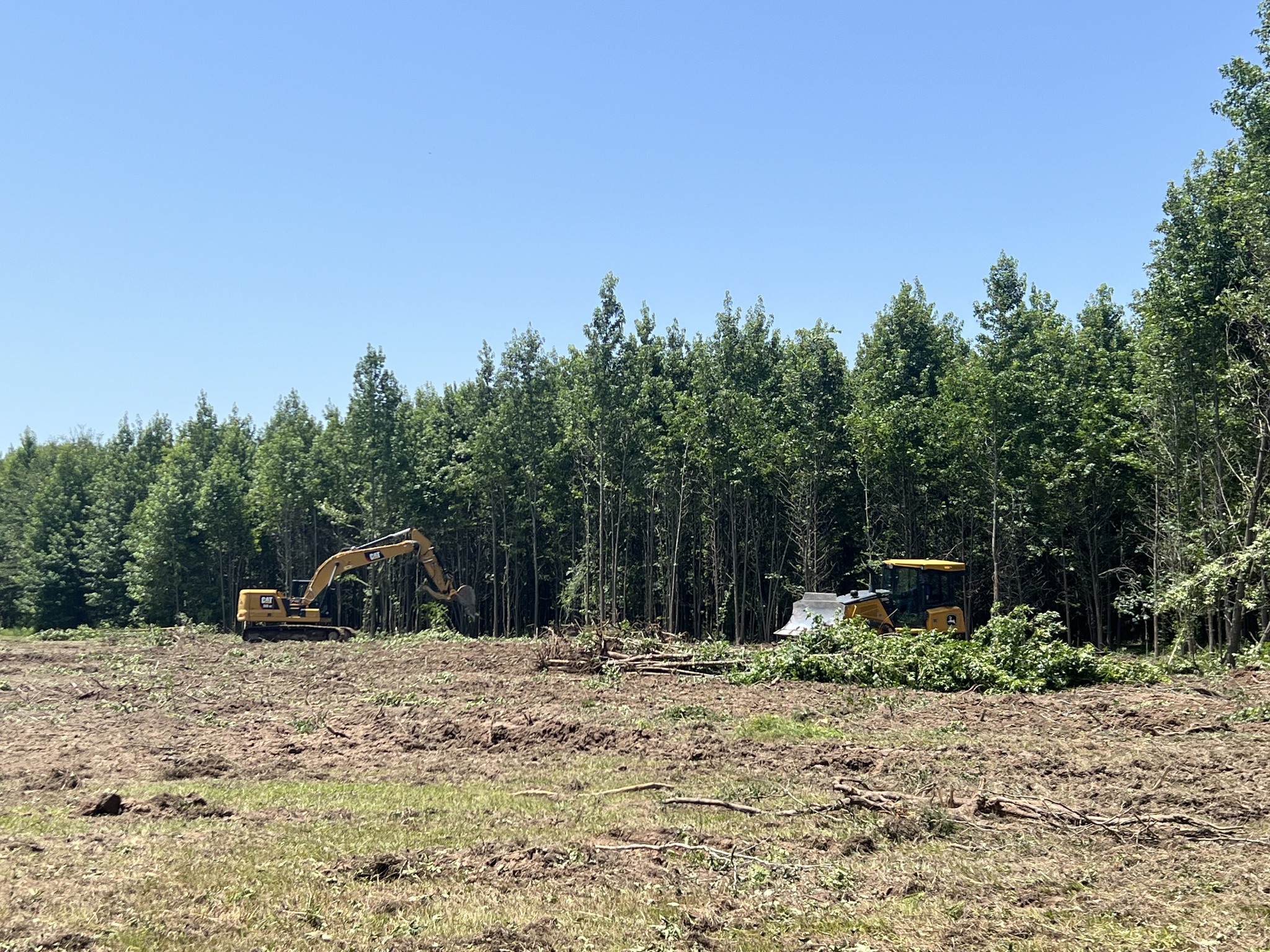
Excavation has traditionally been associated with significant environmental disruption. The clearing of land, alteration of terrain, and potential contamination from equipment emissions can all have detrimental effects on local ecosystems. To combat this, sustainable excavation practices are being developed and implemented. These methods aim to minimize environmental harm while maintaining productivity and efficiency.
One of the foundational elements of sustainable excavation is effective planning. Before breaking ground, thorough site assessments are crucial. Assessments help identify existing ecosystems that should be preserved and areas that can be developed with minimal impact. Mapping out a plan also allows for the identification of materials that can be recycled or reused, reducing waste.
The use of eco-friendly machinery and technology significantly contributes to sustainable practices. Switching to equipment that runs on alternative fuels, such as biodiesel or electricity, can lower emissions. Innovative technologies such as GPS and sensors improve precision, which not only enhances the efficiency of the operation but also prevents unnecessary disturbance to the surrounding areas.
Incorporating erosion and sediment control measures is another critical aspect. Techniques like silt fencing, sediment basins, and buffer strips help manage soil disturbance, controlling erosion effectively. By maintaining the integrity of the soil, these practices prevent water contamination and protect the habitats within the vicinity of excavation sites.
Water management is also essential in sustainable excavation. It involves strategies that ensure the quality and quantity of water remain unaffected by the excavation activities. Implementing systems for rainwater harvesting and utilizing retention basins can contribute to this goal. These methods help maintain natural water cycles and protect local waterways from sediment and pollutant influx.
An often overlooked aspect of sustainable excavation is the aftercare of the sites. Once the primary activity is complete, restoration planning is vital to return the land to its natural state, or even better, enhance its ecological value. Planting native vegetation and creating wildlife habitats are parts of a comprehensive site restoration plan that reflects a commitment to sustainability.
For clients and stakeholders, understanding these sustainable practices is crucial. Not only do they promote environmental stewardship, but they also bring about economic savings. Efficient and thoughtful excavation practices reduce waste and energy consumption, leading to cost savings that can be passed along to clients.
In conclusion, sustainable excavation practices are not merely options for companies like Willing Trucking & Excavating—they are responsibilities. By integrating these eco-friendly methods into their everyday operations, excavation companies can reduce their impact on the environment, meet regulatory standards, and offer meaningful contributions to global sustainability efforts. As more firms embrace these practices, the excavation industry will continue to steer towards a greener, more sustainable future.
/filters:no_upscale()/filters:format(webp)/media/6fd941e8-fae4-4272-b646-42dae31c3525.jpeg)