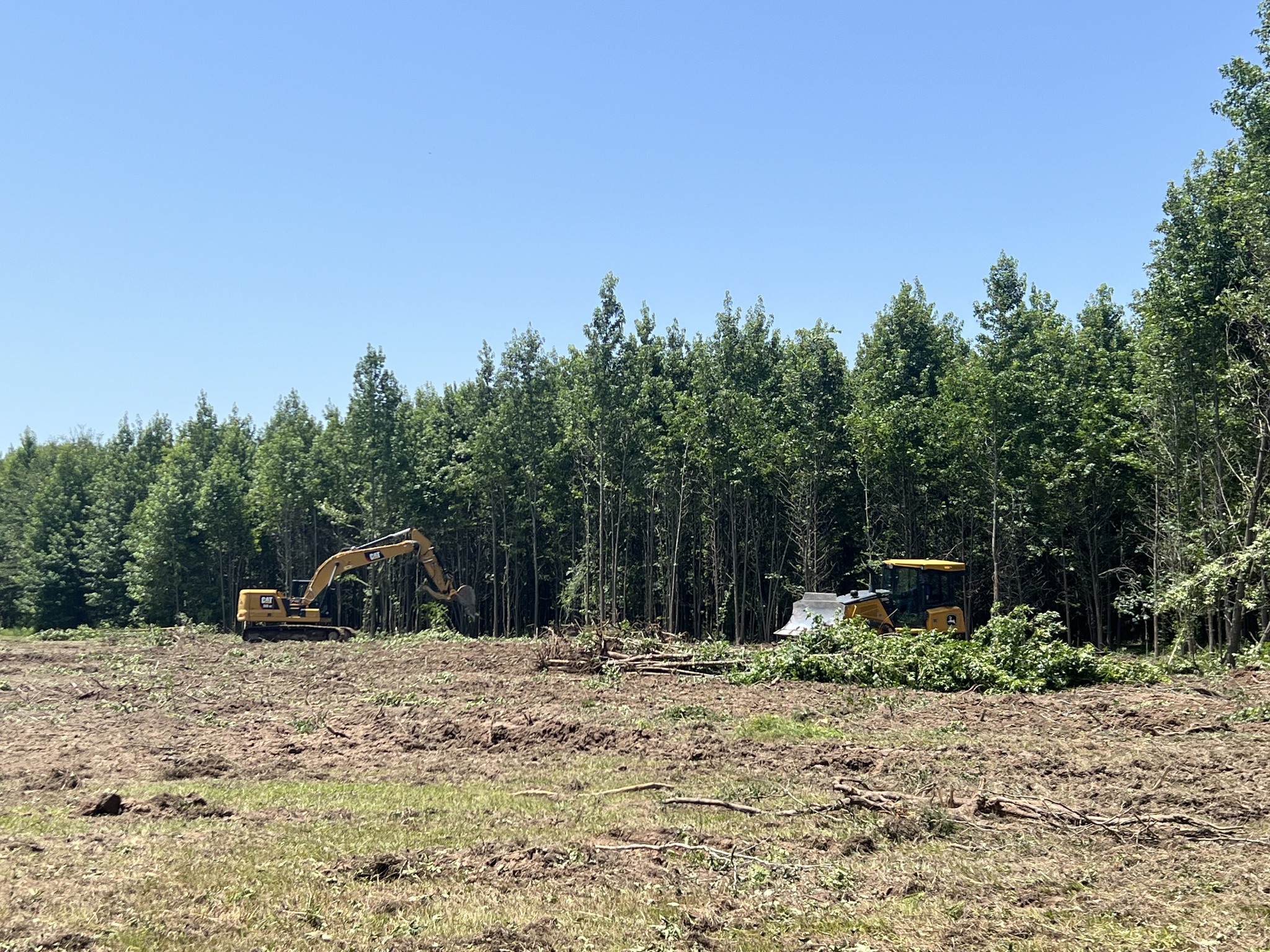
The Future of Excavation: Balancing Efficiency with Environmental Responsibility Feb 07, 2026
Starting with efficiency, technological advancements have made excavation tasks more precise and less time-consuming. Equipment innovations, such as automated machinery and GPS-guided systems, allow excavation projects to be executed with unmatched accuracy. This not only minimizes errors but also reduces the need for rework, ultimately saving time and resources. For companies like Willing Trucking & Excavating, staying ahead in technology means offering better service to their clients, meeting deadlines more efficiently, and gaining a competitive edge in the industry.
However, with great power comes great responsibility. As excavation companies enhance their capabilities through technology, there is a concurrent push towards sustainability. This balance is vital, not just for compliance with regulations, but also for preserving our environment. The industry is increasingly embracing sustainable practices like soil recycling and proper waste management. These practices ensure that any negative impact on the environment is minimized, demonstrating the industry’s commitment to green operations.
Willing Trucking & Excavating, for example, has recognized that employing environmentally friendly techniques not only aids in regulatory compliance but also enhances their reputation with environmentally conscious clients. Incorporating sustainable practices can sometimes seem daunting, but it need not be. Simple steps such as reducing emissions from machinery, using eco-friendly fuels, and rehabilitating the land after excavation can significantly contribute to environmental sustainability.
The question arises: how can industry players balance this dual focus on efficiency and environmental responsibility? It begins with investment in education and training for employees. By equipping teams with knowledge on the latest technologies and sustainable practices, companies can ensure more efficient project execution while reducing their carbon footprint. Willing Trucking & Excavating is committed to this holistic approach, recognizing that well-trained staff can better align with the company's sustainability goals.
In addition, collaboration is key. Partnerships between technology providers, regulators, and industry players can foster innovation that leans towards sustainability. For instance, the development of electric or hybrid excavation machinery is a result of such cooperation, leading to significant reductions in emissions compared to traditional diesel-powered machines.
As we look to the future, the integration of smart technologies in excavation promises even more sophisticated solutions. Imagine AI-driven machinery that adapts in real-time to environmental conditions or utilizes data-driven insights to optimize the site work schedule, reducing environmental impact while enhancing operational efficiency.
In conclusion, the future of excavation lies in striking the right balance between technological efficiency and environmental responsibility. Companies like Willing Trucking & Excavating understand that this delicate balance is essential not only for future-proofing their business but also for contributing positively to our planet. By leveraging advanced technologies and committing to sustainable practices, they not only meet industry demands but also protect and preserve the valuable ecosystems we all depend on. As we move forward, this dual commitment will play a pivotal role in shaping a more responsible and innovative excavation industry.
/filters:no_upscale()/filters:format(webp)/media/6fd941e8-fae4-4272-b646-42dae31c3525.jpeg)