The Importance of Eco-Friendly Practices in Excavation and Trucking Jan 11, 2026
The adoption of eco-friendly practices begins with a commitment to reducing carbon footprints. In trucking, this might involve optimizing routes to minimize fuel consumption and emissions. GPS and route management software are invaluable tools in achieving these goals, ensuring that trucks travel the most efficient paths. Additionally, maintaining vehicles in peak condition through regular servicing can significantly cut down on harmful emissions, aligning with green goals.
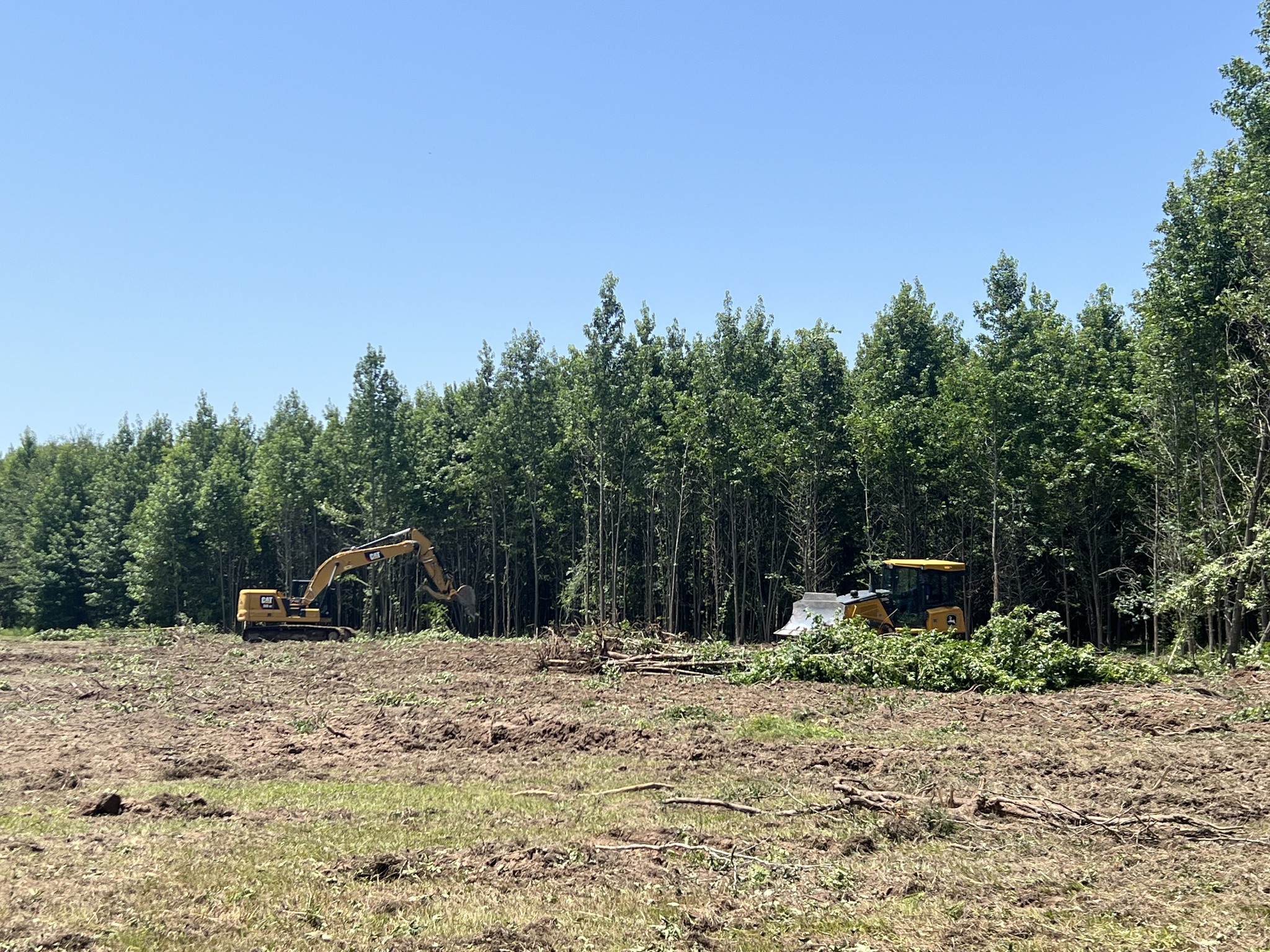
In excavation, eco-friendly practices can take several forms. One approach is the utilization of advanced machinery with lower energy consumption. Modern excavators are equipped with engines that adhere to stringent emission regulations, providing the same output with less environmental impact. Furthermore, companies can employ techniques that minimize soil disruption and preserve existing topography. This not only aids in the preservation of the natural habitat but also ensures that construction can proceed with minimal collateral damage to the surrounding ecosystem.
Recycling and reusing materials is another vital aspect of sustainable practice in excavation and trucking. Often, excavation sites yield materials like gravel, concrete, and metals, which can be repurposed. Rather than sending these valuable resources to landfills, companies can implement strategies to recycle them for use in future projects. This not only reduces waste but also lowers material costs, offering commercial benefits alongside environmental ones.
Green partnerships and certifications also play an essential role. By aligning with suppliers and partners who share a commitment to sustainability, companies can ensure a comprehensive approach to eco-friendly practices. Certifications like Leadership in Energy and Environmental Design (LEED) provide formal recognition of a company’s commitment to sustainability, enhancing its reputation among eco-conscious clients and partners.
Employee involvement is crucial in transitioning to eco-friendly excavation and trucking practices. Training programs should be implemented to educate staff about sustainable methods and technologies. Workers who understand the importance of these practices are more likely to engage proactively in their implementation.
Moreover, engaging with the local community to communicate and demonstrate sustainability efforts can foster goodwill and community support. This could be through initiatives like reforestation projects in areas affected by excavation or sponsoring community-based environmental initiatives.
Finally, regular audits and assessments are necessary to ensure the continued efficacy of these practices. By analyzing performance data, companies can identify areas for improvement and rapidly adapt to new technologies or methods that better serve environmental goals.
In conclusion, eco-friendly practices in excavation and trucking are not merely trends but essential strategies for modern businesses. For Willing Trucking & Excavating, the integration of sustainable methods not only promotes environmental stewardship but also enhances efficiency, reduces costs, and bolsters community relations. As the industry progresses, adopting these practices will be pivotal in ensuring long-term success and sustainability. By prioritizing green initiatives, companies can pave the way for a cleaner, healthier planet while also reaping substantial economic benefits.
/filters:no_upscale()/filters:format(webp)/media/6fd941e8-fae4-4272-b646-42dae31c3525.jpeg)