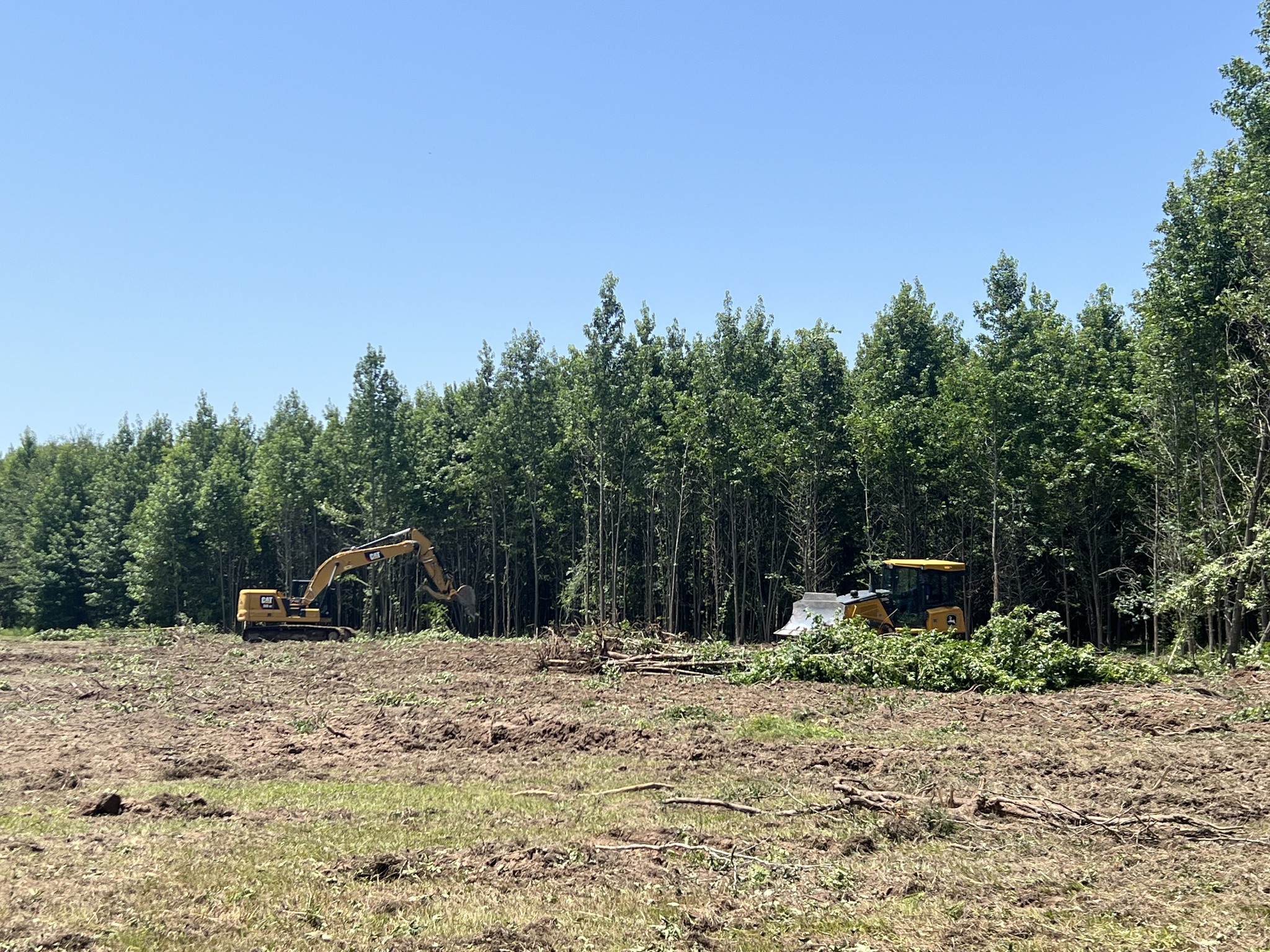
Top Safety Practices for Excavation and Trucking Projects Dec 20, 2025
Excavation and trucking projects inherently involve risks, including potential accidents and environmental hazards. Thus, the importance of implementing comprehensive safety measures cannot be overstated. By prioritizing safety, companies can mitigate these risks, ensuring smooth and incident-free operations.
One of the key safety practices for any excavation project is conducting a thorough risk assessment before commencing work. This involves identifying potential hazards associated with the site and determining the necessary safety measures to minimize risks. Factors such as soil stability, the presence of underground utilities, and weather conditions should be carefully evaluated. This assessment forms the basis of a safety plan tailored specifically to the project.
Training and education are integral to fostering a safety-conscious workforce. All employees should receive regular training on excavation safety procedures, including the proper use of machinery and personal protective equipment (PPE). Training not only equips workers with the necessary skills to perform their duties safely but also empowers them to identify potential hazards and take corrective action.
Effective communication is another crucial element of safety in excavation and trucking. Clear communication channels among team members ensure that everyone is informed about project changes or potential dangers. Daily briefings or toolbox talks can be effective tools for maintaining open lines of communication, addressing any concerns, and reinforcing safety protocols.
In addition to these practices, using modern technology can greatly enhance safety measures. Advanced equipment equipped with the latest safety features, such as machine control systems and proximity sensors, can reduce the likelihood of accidents. Moreover, implementing digital solutions, like site monitoring apps, can provide real-time data on project conditions and worker locations, facilitating swift responses to any unsafe situations.
Regular inspections and maintenance of equipment are vital to ensuring the operational safety of tools and machinery. Scheduled maintenance checks prevent unexpected equipment failures that could lead to accidents. It is essential for companies to have a maintenance log and to strictly adhere to it, ensuring that every piece of equipment is in optimal working condition.
For trucking projects, ensuring the safety of drivers is paramount. This includes implementing measures such as route planning to avoid high-risk areas, enforcing rest periods to prevent fatigue, and equipping trucks with safety features like anti-lock brakes and stability control. Additionally, driver training focused on defensive driving techniques and emergency response procedures can further enhance safety on the road.
Finally, fostering a culture of safety within an organization is key to sustaining these practices over the long term. Management should lead by example, demonstrating a commitment to safety by providing the necessary resources and support. Incentives for safe behavior and prompt incident reporting systems encourage employees to adhere to safety protocols and continuously seek improvement.
In conclusion, safety in excavation and trucking projects is achieved through a combination of careful planning, education, communication, and technology. By integrating these practices, companies like Willing Trucking & Excavating can ensure that their projects are not only efficient but also safe for all involved. Implementing these measures creates a safer working environment and sets a foundation for sustainable operations and growth in the industry.
/filters:no_upscale()/filters:format(webp)/media/6fd941e8-fae4-4272-b646-42dae31c3525.jpeg)