Understanding Soil Types and Their Impact on Excavation Projects Feb 07, 2026
To begin with, soil is generally classified into coarse-grained and fine-grained categories. Coarse-grained soils, such as gravel and sand, contain larger particles. These soils typically have excellent drainage properties, which is a boon for excavation since it reduces the risk of water-related delays. In contrast, fine-grained soils, including silt and clay, have smaller particles, leading to decreased drainage and increased water retention. This can pose challenges during excavation, as waterlogged soil is more difficult to work with and can lead to project delays.
Gravel and sand are among the easiest soils to excavate. Their properties allow for relatively straightforward digging and they generally provide good stability for construction foundations. However, while these coarse-grained soils are easier to remove, precautions must be taken to ensure the surrounding area does not collapse during the excavation process. Using appropriate shoring techniques is essential to maintain safety and project integrity.
On the other hand, silt presents a unique challenge. It retains water and tends to behave unpredictably when disturbed. Silt's propensity to shift can compromise the stability of nearby structures, which means that careful planning and execution are needed to tackle this soil type. Proper drainage solutions and soil stabilization techniques can mitigate these issues, but they can add to the complexity—and cost—of the project.
Clay is another fine-grained soil that requires specific strategies. Its high-density and cohesive nature can make excavation slow and arduous. Additionally, if the clay becomes waterlogged, it can swell, causing further complications. It's crucial to evaluate the moisture content of clay and implement drainage solutions before beginning the excavation. Excavators need to use heavier machinery and employ strategic planning to manage these issues effectively.
Another unique soil type occasionally encountered is loam, which is a balanced mixture of sand, silt, and clay. Loam is generally considered ideal for construction due to its fertility and stability. Its composition allows for easier excavation compared to pure clay or silt, while still offering solid support for foundations. When doing excavation in loam, minor adjustments for drainage may still be beneficial, but overall it tends to present fewer challenges.
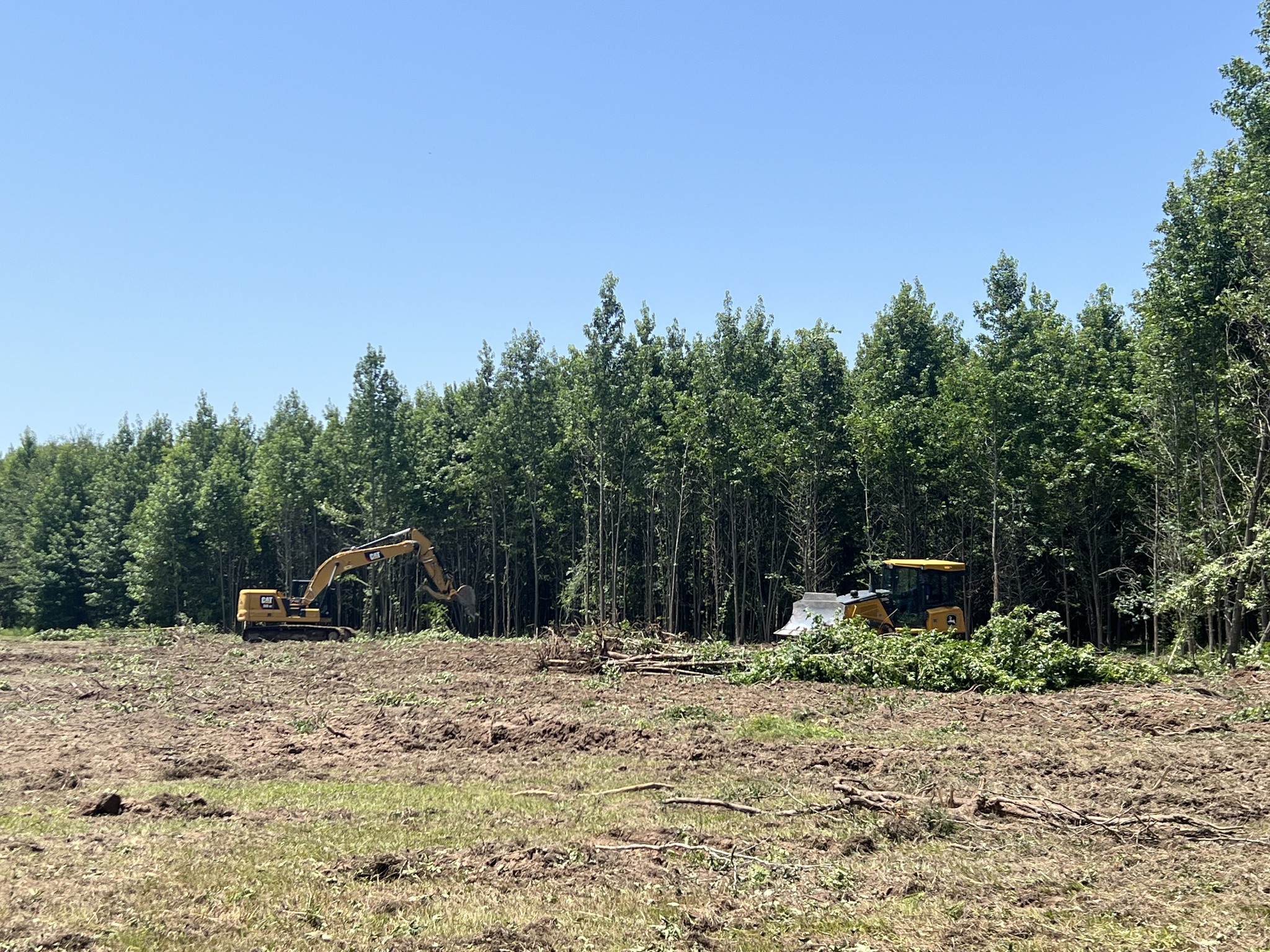
Understanding the type of soil you are dealing with is crucial for a successful excavation project. The services offered by Willing Trucking & Excavating encompass the necessary expertise to assess and adapt to various soil conditions, ensuring project safety, efficiency, and effectiveness. Each soil type brings its own set of challenges and requires tailored strategies to address them, underscoring the importance of consulting with professionals who can predict potential complications and adjust plans accordingly.
In conclusion, the key to a successful excavation project lies in careful planning and an appreciation for the complexity of the soil types encountered. By leveraging the expertise of providers like Willing Trucking & Excavating, you are ensuring not only compliance with industry standards but also the smooth and timely completion of your project. Investing the time to understand these nuances can prevent costly delays and ensure that your construction project gets off to the best possible start.
/filters:no_upscale()/filters:format(webp)/media/6fd941e8-fae4-4272-b646-42dae31c3525.jpeg)